JANUARY 15, 2027
COLING 2027 · Macau, China · May 9-14, 2027
FATA Workshop
First Ask Then Act
1st Workshop on Community-Based and Socially Aware Approaches to Natural Language Processing
Why FATA?
The First Ask Then Act (FATA) Workshop promotes an interdisciplinary dialogue across social sciences, psychology, philosophy of language, computer science, and Natural Language Processing with human-centered approaches, bringing together researchers, practitioners and stakeholders throughout the research process.
As foundation models increasingly mediate communication and access to information, it becomes essential to question whose knowledge and perspectives are represented, whose needs are prioritized, and who remains excluded or exposed to harm.
Against this backdrop, the workshop highlights community-based and participatory methods that recognize underrepresented communities and speakers of low-resource languages as essential knowledge holders in developing more equitable, inclusive, and socially responsible language technologies.
Call for Papers
Through text- and speech-based interfaces, foundation models increasingly shape social interactions, access to information, and decision-making, yet they can reproduce and reinforce existing inequalities through biased data, design, and deployment practices. Despite growing attention to bias and fairness in Natural Language Processing, research often overlooks the structural conditions that affect marginalized communities, including their silencing, underrepresentation, and exclusion, which can lead to unintended forms of discrimination.
The growing adoption of Large Language Models (LLMs) in language technologies and content moderation further amplifies these concerns, raising fundamental questions about the social implications of NLP systems: Whose knowledge is represented? Whose needs and perspectives are prioritized? Which communities remain underserved, misrepresented, or exposed to harm?
Addressing these challenges requires moving beyond purely technical approaches towards socially grounded, context-aware NLP that incorporates diverse perspectives, as well as the situated knowledge and needs of affected communities. This workshop aims to foster interdisciplinary dialogue across social sciences, psychology, philosophy of language, linguistics, computer science, and speech technologies, bringing together researchers and practitioners to critically assess existing approaches and explore alternative frameworks and practices for developing more equitable, inclusive, and socially responsible language technologies.
Topics of Interest
We welcome contributions on (but not limited to) the following topics:
- Community-based approaches: Challenges, limitations, and opportunities of participatory design and community engagement, and new frameworks and methodologies across fields, including speech data collection and community-owned voice tools.
- Data collection and annotation practices: Collaborative data collection, crowdsourcing platforms, community-driven annotation, limitations of current annotation practices, and the role of language technologies in mitigating bias and addressing under-representation.
- Intersectionality as a framework: Integrating intersecting identities and perspectives into computational linguistics, with attention to bias, exclusion, marginalization, and representation.
- Multiple-perspective annotation schemas and tools: Schemas, guidelines, and tools that capture disagreement, subjectivity, and diverse viewpoints while addressing quality, consistency, and representativeness.
- Bias, fairness, and representation: Methods for identifying, understanding, and mitigating bias in language data and NLP systems, especially where they affect marginalized communities and low-resource languages.
We particularly encourage interdisciplinary, community-based, and participatory work that involves underrepresented communities and speakers of low-resource languages across the whole research pipeline.
Submission Types
The workshop accepts the following types of submissions:
- Long and short papers: Long papers of up to 8 pages and short papers of up to 4 pages, excluding references. Limitations, references, and appendices do not count toward the page limit. Submissions may include research papers, position papers, system demonstrations, annotation schemes, and checklists.
- Non-archival submissions: Up to 2 pages, excluding references, to summarize and showcase work in progress or work published elsewhere.
Submission & Review
Submission is electronic, via OpenReview. Papers must be written in English and submitted as PDF. All papers undergo double-blind review by at least two reviewers, and final acceptance decisions are made by the workshop organizers based on the reviewers' scores.
Submit on OpenReviewFormatting and Policies
- Style files: All submissions must follow the official ACL LaTeX template. Papers that do not conform to the required paper size, margins, or font size will be rejected without review.
- Anonymity: Submissions must be fully anonymized for double-blind review. Avoid self-identifying references: write “Smith previously showed (Smith, 1991)…” rather than “We previously showed (Smith, 1991)…”.
- Limitations: Every paper must include a Limitations section, placed after the conclusions and before the references. It does not count toward the page limit.
- Ethics statement: Given the sensitive nature of the workshop’s topics, authors are strongly encouraged to include an Ethics Statement discussing the ethical considerations of their work, such as the protection of communities, annotators, and data.
- Declaration on generative AI: Every paper must include a Declaration on Generative AI describing whether and how generative AI tools were used in the research and in the writing of the paper.
Workshop Programme
Programme coming soon
Please check this page for updates on the workshop schedule.
Important Dates
FEBRUARY 15, 2027
Notification of Acceptance
MARCH 19, 2027
Camera-ready Papers
APRIL 5, 2027
Proceedings
APRIL 15, 2027
Pre-recorded Video
MAY 13 OR 14, 2027
Workshop Date
FATA is a hybrid workshop: papers can be presented either in person or remotely. Remote presentations will be held on Zoom via Underline. There is no extra fee for remote participants, but at least one of the authors must register and pay the regular registration fee.
Organization
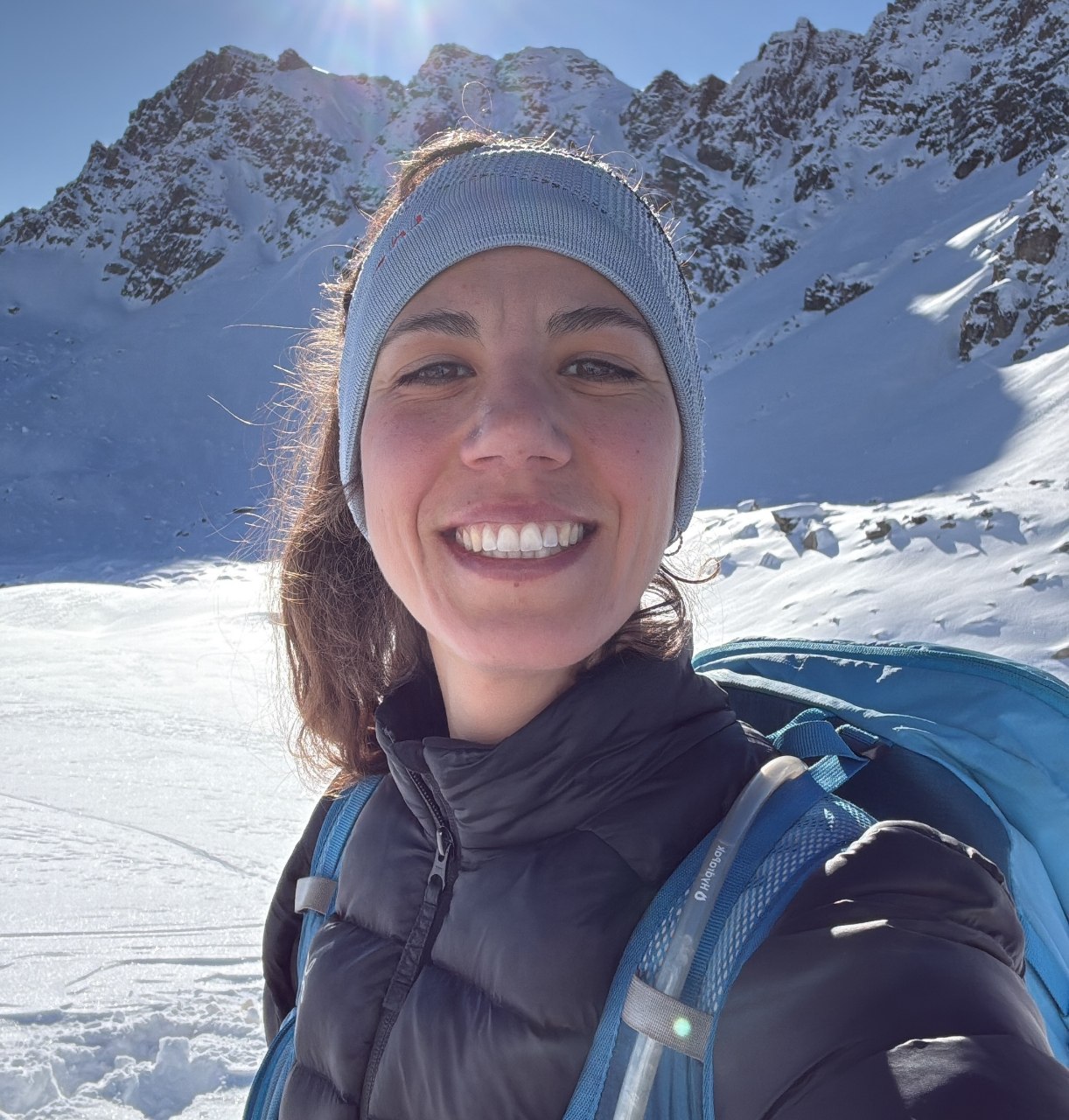
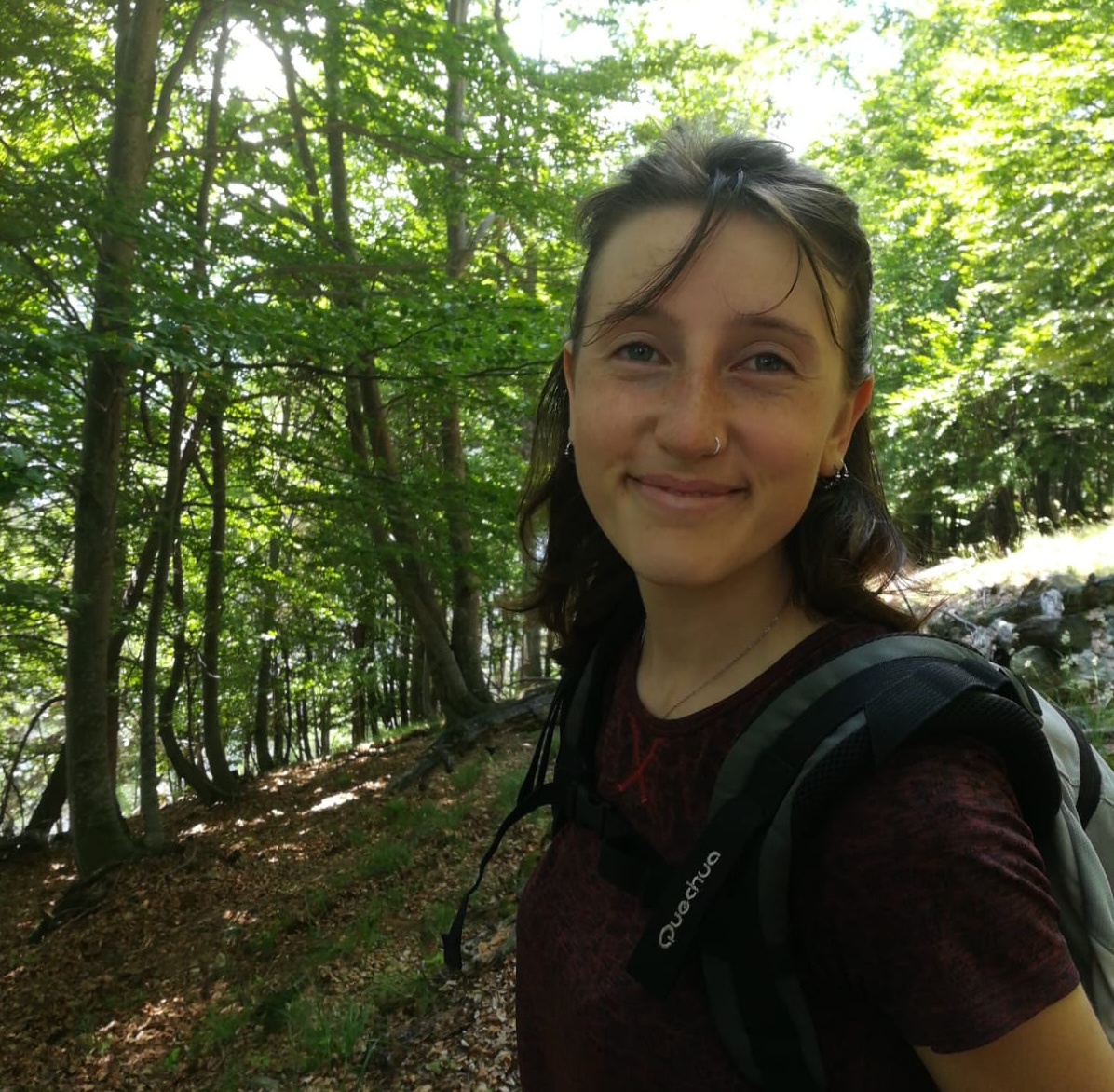
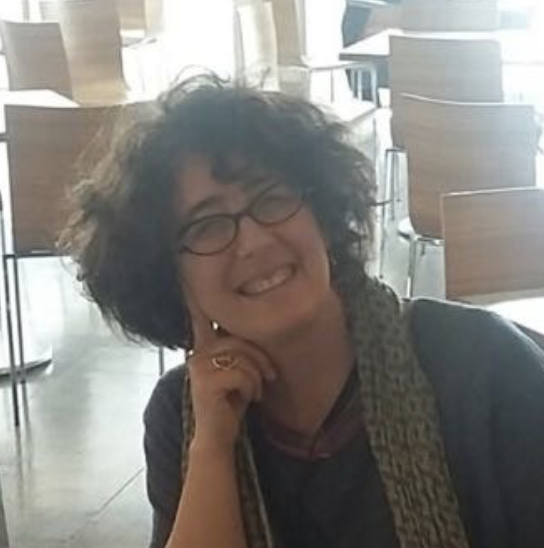
Organizers
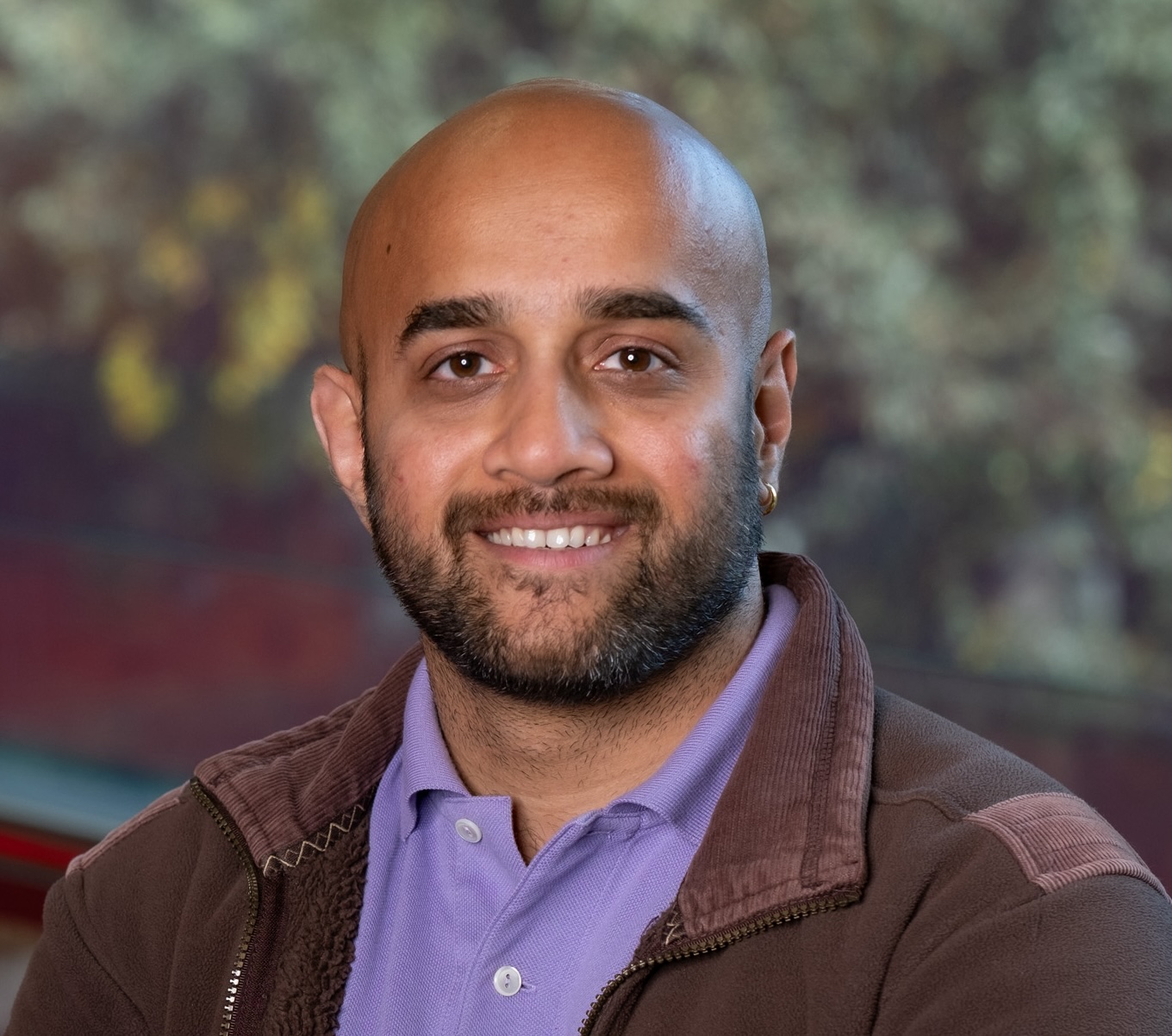
Aditya Joshi
School of Computer Science and Engineering
University of New South Wales, Australia
Programme Committee
- Tania Alcantara, Centro de Investigación en Computación, Mexico
- Maria Aloy Mayo, Universitat Politècnica de València, Spain
- Elisa Baldazzi, University of Bologna, Italy
- Elisa Bassignana, University of Copenhagen, Denmark
- Davide Bassi, Politecnico di Torino, Italy
- Tommaso Caselli, University of Groningen
- Silvia Casola, Universitat Pompeu Fabra, Barcelona, Spain
- Pierluigi Cassotti, University of Gothenburg, Sweden
- Bianca Cepollaro, Università Vita-Salute San Raffaele, Italy
- Gloria Comandini, Istituto degli Studi Germanici, Italy
- Raj Dabre, Google Research, Australia
- Marina Della Giusta, University of Turin, Italy
- Tadesse Destaw Belay, National Polytechnic Institute (IPN), Mexico
- Chiara Di Bonaventura, King's College London, UK
- Mara Floris, Università Vita-Salute San Raffaele, Italy
- Simona Frenda, Heriot-Watt Universit, Edinburgh, UK
- Sara Gemelli, University of Bergamo, Italy
- David Gimeno Gómez, Universitat Politècnica de València, Spain
- Estrella Gualda, University of Huelva, Spain
- Antonia Karamolegkou, Inria Paris, France
- Kemal Kurniawan, University of New South Wales, Australia
- Marta Marchiori Manerba, University of Turin, Italy
- Usman Nazeem, Macquarie University, Australia
- Erik Bran Marino, Universidade de Évora, Portugal
- Barbara Plank, LMU Munich, Germany
- Marco Roberti, Bloomberg, UK
- Beatrice Savoldi, Fondazione Bruno Kessler, Italy
- Raksha Sharma, IIT Bombay, India
- Jainendra Shukla, IIIT-Delhi, India
- Lucia Siciliani, University of Bari, Itqly
- Ivan Spada, Fondazione Bruno Kessler, Italy
- Giuliana Vitiello, University of Salerno, Italy
- Gabriela Mariel Zunino, Universidad de Buenos Aires, Argentina
Contact
For questions about the workshop, submissions, or collaboration, please contact the organising team.